

The Oscar fish, scientifically known as Astronotus ocellatus, is a popular freshwater fish among aquarium enthusiasts. With its striking colors, intelligent behavior, and engaging personality, the Oscar fish makes a great addition to any aquarium. In this article, we will delve into the various aspects of the Oscar fish, including its size and appearance, natural habitat, behavior, diet, and detailed care requirements for keeping them at home. If you’re looking for a unique and vibrant fish to add to your collection, the Oscar fish might be the perfect choice for you.

Size and appearance
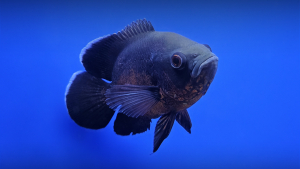
The Oscar fish is renowned for its vibrant and dynamic appearance. Typically, an adult Oscar can reach a length of 30-45 centimeters (12-18 inches) and weigh around 1.5 kilograms (3.3 pounds). Their body is oval-shaped, robust, and laterally compressed, which gives them a strong and sturdy look. Color-wise, Oscars are a spectacle. They come in various color morphs, including the common tiger Oscar with its dark body and orange-red patterns, and the albino and lemon Oscars, which feature pale bodies with contrasting red or orange markings. The fins of the Oscar are also noteworthy, often edged with contrasting colors that enhance their overall appearance.
Region
Oscars are native to South America, predominantly found in the Amazon River Basin, the Paraná, and the Paraguay rivers. They thrive in slow-moving waters with ample cover provided by submerged branches, rocks, and plant life. This natural habitat provides them with plenty of opportunities to hunt and explore, which is crucial to their well-being.
Behavior
Oscars are known for their distinctive and often playful behavior. They are highly intelligent and can recognize their owners, often greeting them by swimming to the front of the tank. However, Oscars are also known for their territorial nature and can exhibit aggressive behavior, especially during feeding times or breeding seasons. Be careful with introducing an Oscar of the same size to an already established aquarium, since they can be aggressive towards each other. We recommend to add a smaller Oscar, at least half the size of the Oscar that is already in the tank.
Oscars are generally solitary but can be kept with other large fish species if the tank is spacious enough to reduce territorial disputes. They are curious creatures, frequently rearranging their environment by moving gravel or objects in the tank. This playful and somewhat bossy behavior makes them fascinating to observe but also demands careful planning when setting up their habitat.
Diet
In the wild, Oscars are omnivores with a diet that includes insects, crustaceans, small fish, and plant matter. In an aquarium setting, it’s crucial to replicate this varied diet to maintain their health and vibrant colors. A balanced diet for an Oscar should include high-quality cichlid pellets, supplemented with live or frozen foods such as shrimp, worms, and small fish. Fresh vegetables like peas and spinach can also be offered to provide additional nutrients. Oscars have a voracious appetite, so it’s important to avoid overfeeding. They should be fed once a day with only as much food as they can consume in a few minutes, to prevent water quality issues.
How to keep the Oscar at home
Tank size: Oscars require a spacious tank due to their size and active nature. A minimum of 300 liters (80 gallons) is recommended for a single Oscar, with an additional 100 liters (26 gallons) for each additional fish. This provides enough room for them to swim freely and establish territories without stress.
Water conditions: Maintaining optimal water conditions is crucial for the health of your Oscars. They thrive in temperatures between 24-28°C (75-82°F) and prefer slightly acidic to neutral water with a pH range of 6.0-7.5. Regular water changes and a good filtration system are essential to keep the water clean and free of harmful toxins.
Tank setup: When setting up a tank for Oscars, it’s important to create an environment that mimics their natural habitat. This includes providing plenty of hiding spots with rocks, caves, and driftwood. Live plants can be included, but be aware that Oscars may uproot them during their explorations. The substrate should be soft to prevent injury as they often sift through it. Sand or fine gravel is ideal. Since Oscars are strong swimmers and can grow quite large, ensure that all decorations are secure and unable to topple easily.
Risks and considerations: While Oscars are relatively hardy, they are susceptible to diseases such as Ich and Hole-in-the-Head Disease, often linked to poor water quality or diet. Regular tank maintenance and monitoring of water parameters can help prevent these issues. Oscars’ aggressive and territorial nature means they are not ideal for community tanks with smaller, more delicate fish. Careful consideration should be given to tank mates, opting for other large and robust fish species.
The Oscar fish, or Astronotus ocellatus, is a captivating and rewarding addition to any large aquarium. Their vibrant colors, engaging behavior, and intelligent interactions make them a favorite among fish keepers. However, they require careful attention to their diet, tank conditions, and overall environment to thrive. With the right care and setup, Oscars can provide years of enjoyment and become a standout feature in your aquatic collection.
If you found this article helpful, be sure to share it with other aquarium enthusiasts and explore our other resources on marine life care. Happy fishkeeping!
| Scientific name | Astronotus ocellatus |
| Type of aquarium | Freshwater |
| Size | 30-45 cm (12-18 inches) |
| Region | South America (Amazon Basin) |
| Ideal tank size | 300 liters (80 gallons) minimum |
| Ideal water temperature | 24-28 °C (75-82 °F) |
| pH | 6.0-7.5 |
| Diet | Omnivore (cichlid pellets, live/frozen foods, vegetables) |
| Reproduction | Egg layers; parental care |
| Life span | 10-15 years |
| Schooling | Solitary or in pairs |
